Reactive Sound Design: Inside, Obra Dinn, and Hyper Light Drifter
No constant ambient. Every sound is information. Three indie games and their reactive audio doctrine — a guide to silence-first sound design.
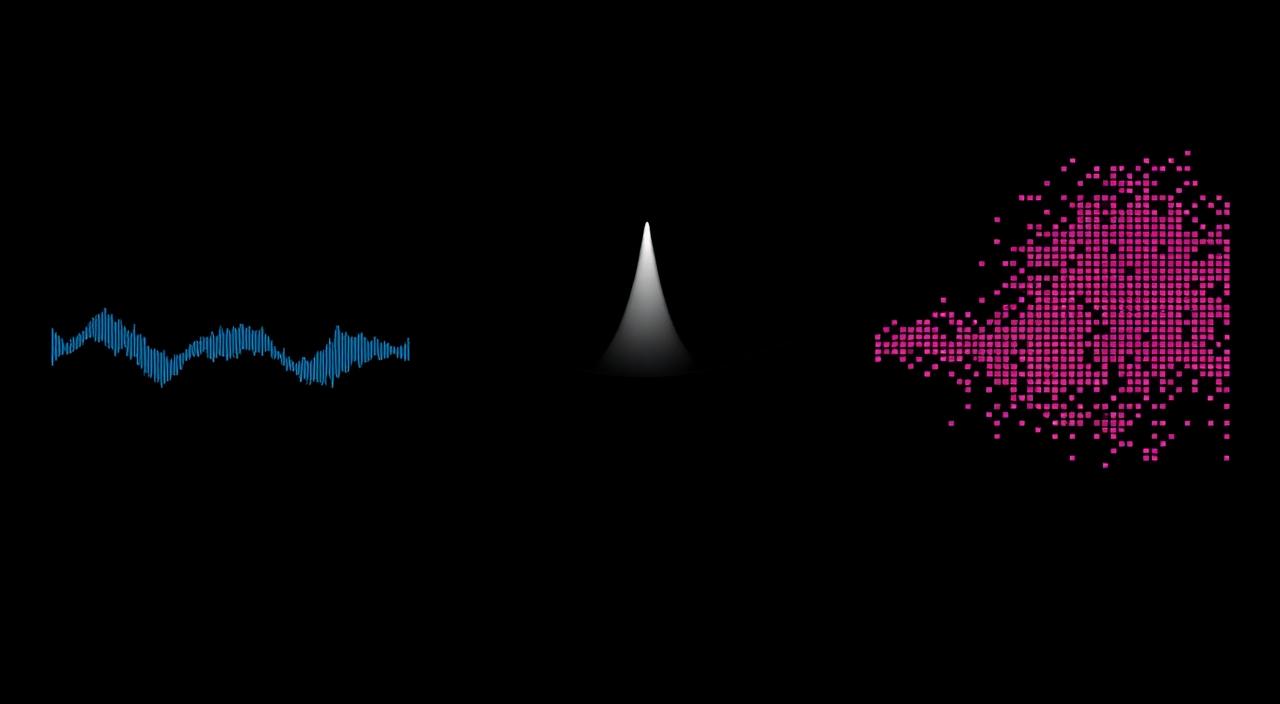
Most game sound is like rain: continuous, homogeneous, barely noticed. That's not bad — but it's average. The real question for a sound designer who wants to go further: when should sound speak? Reactive audio answers: only when something happens. Three masterful cases below.
1. Inside (2016, Playdead) — pressure silence
Inside's audio was made by Martin Stig Andersen with a speaker mounted inside a human skull — sounds traveled through bone before reaching the microphone. The result is organic, bodily, eerily inside you.
But the miracle isn't technical, it's a use decision: Inside has no background music. Silence is the baseline. The rare moments music enters — the dog chase, the underwater scene, the ending — carry emotional weight precisely because silence is the contrast.
Inside doesn't make you feel something constantly. The rare moments it does are devastating.
2. Return of the Obra Dinn (2018, Lucas Pope) — diegetic everything
Pope's genius is making sound a worldbuilding tool. Every sound in Obra Dinn is diegetic — the characters can hear it too. Music comes from a character playing it; a ship collision sound is part of the re-enactment.
The constraint disciplines the designer: every sound must have a source. The atmosphere isn't decorative, it's narrative. When silence arrives — and it often does — it means something: nobody's there, or nobody's speaking.
3. Hyper Light Drifter (2016, Heart Machine) — sound that narrates
Disasterpeace's (Rich Vreeland) score blends chiptune and drone atmosphere. But the real radical choice is no dialogue: not a single word is spoken. The story is told entirely through sound and visual cues.
This doubles the designer's responsibility: every sword strike, every ambient effect, every musical shift must mean something. The narrative load slides from dialogue onto the sound whole. Result: a language-free, universally playable game.
4. The shared doctrine: sound = information
All three share one principle: sound is not decoration, sound is information. If a sound carries no real information in a scene, it is noise — and noise drains the player's attention economy.
- Inside: silence rule; sound only on emotional emphasis.
- Obra Dinn: diegetic rule; sound only when world-sourced.
- HLD: no-dialogue rule; sound carries language's absence.
Each set a rule and stuck to it. That's the golden formula of reactive sound design: declare the rule first, then justify the exceptions.
5. Design takeaways
- Silence is a baseline, not empty space. Muting isn't deleting — it's setting up contrast.
- One sound, one piece of information. Every effect should answer "what is this telling me?"
- Diegetic > non-diegetic. Sounds with in-world sources deepen perception.
- Avoid loops. Constantly repeating ambient deafens the ear; the response dies.
- One match, one identity. Don't layer multiple sonic identities — pick one and deepen it.
6. Where Signal Pitch applies this
Signal Pitch's audio doctrine is a direct distillation of these three games' lessons: silence as baseline, no continuous ambient (no drone, no hum, no metronome), every sound bound to a game event, one match carrying one dominant sonic identity. MIRACLE silences, charge chimes, Apex sweep, M7 swell — each is reactive information.
Conclusion
Good game audio isn't more sound; it's the right sound at the right time. That simple principle is one of the most expensive lessons in sound design, because the opposite is always easier to try: ambient that fills gaps, atmospheric drone, generative music. Inside, Obra Dinn and Hyper Light Drifter showed silence is a tool — a test of nerve. A game that knows how to stay silent is heard when it speaks.